India Visa for Americans: A Comprehensive Guide [2026]
Confused about the India visa process for Americans? This guide provides a step-by-step explanation of visa types, application procedures, required documents, fees, and processing times. Apply for your Indian e-Visa now!
![India visa for Americans document guidance for India Visa for Americans: A Comprehensive Guide [2026]](https://images.unsplash.com/photo-1514222134-b57cbb8ce073?auto=format&fit=crop&w=1200&q=80)
Image selected to support the visa guidance topic. Always confirm final requirements before submitting your application.
Expert document review
Passport, photo, travel purpose, and supporting files checked before submission.
Clear rejection checklist
Each guide focuses on real mistakes that delay or weaken visa applications.
Private assistance service
We are not a government website; we help applicants prepare a stronger file.
India e-Visa review
Get the application checked before submission
We review passport details, photo quality, travel dates, category choice, and common rejection triggers.
India Visa for Americans: Your Essential Guide
Planning a trip to India from the United States? Whether you're drawn by the vibrant culture, historical landmarks, spiritual retreats, or bustling cities like Delhi and Mumbai, understanding the India visa requirements for Americans is crucial. This comprehensive guide will walk you through everything you need to know, from visa types to the application process.
Understanding Indian Visa Options for US Citizens
Indian visa options for Americans have evolved significantly in recent years, with the introduction of the e-Visa. This electronic visa simplifies the application process, allowing you to apply online and receive your visa electronically. However, traditional visas are still available through the Indian Embassy and Consulates in the US.
e-Visa: A Convenient Option for Tourism, Business, and Medical Visits
The e-Visa is the most popular choice for short-term visits to India. It's available in several sub-categories:
- e-Tourist Visa: For tourism, recreation, sightseeing, and visiting friends and relatives.
- e-Business Visa: For attending business meetings, trade fairs, and other commercial activities.
- e-Medical Visa: For seeking medical treatment in India.
- e-Conference Visa: For attending conferences, seminars, or workshops.
The e-Visa typically allows for a stay of up to 30 days, 1 year, or 5 years depending on the type and is generally a multiple-entry visa. However, it's crucial to check the specific validity and entry conditions associated with your particular e-Visa.
Regular Visa: For Long-Term Stays and Specific Purposes
If your trip doesn't fit the e-Visa criteria, or if you plan to stay in India for an extended period, you'll need to apply for a regular visa through the Indian Embassy or Consulates. Common types of regular visas include:
- Tourist Visa: For longer stays than the e-Tourist Visa allows.
- Business Visa: For extended business activities and investments.
- Employment Visa: For individuals seeking employment in India.
- Student Visa: For students enrolled in recognized Indian educational institutions.
- Research Visa: For conducting research in India.
- Medical Visa & Medical Attendant Visa: For long-term medical treatment and accompanying family members.
The application process for regular visas is more involved than the e-Visa, requiring a physical application and an in-person interview at the Indian Embassy or Consulate.
Step-by-Step Guide to Applying for an Indian e-Visa from the USA
Applying for an Indian e-Visa is a straightforward process that can be completed online. Here's a step-by-step guide:
- Visit the Expert Indian e-Visa Website: Ensure you're on the professional visa assistance hub or a reputable visa service provider's site. Be wary of unprofessional hubs that may charge exorbitant fees.
- Determine Your Visa Type: Select the e-Visa category that aligns with your purpose of visit (tourism, business, medical, or conference).
- Complete the Online Application Form: Fill out the online application form accurately and truthfully. Have your passport and other relevant documents readily available.
- Upload Required Documents: Scan and upload a digital copy of your passport (biometric page) and a recent passport-sized photograph that meets the specified requirements.
- Pay the Visa Fee: Pay the e-Visa fee using a credit card or debit card. The fee varies depending on the visa type and duration of stay.
- Submit Your Application: Review your application thoroughly before submitting it. Once submitted, you cannot make changes.
- Receive Your e-Visa: If your application is approved, you'll receive your e-Visa via email. Print a copy of the e-Visa and carry it with you when you travel to India.
Many Americans find the process easier by going through a dedicated visa processing agency to avoid mistakes and speed up processing times.
Required Documents for the India Visa Application
The documents required for your India visa application will vary depending on the type of visa you're applying for. However, some common documents include:
- Passport: Your passport must be valid for at least six months from the date of your arrival in India and have at least two blank pages.
- Photograph: A recent passport-sized photograph that meets the specified size and background requirements.
- Application Form: A completed and signed visa application form.
- Proof of Address: A copy of your driver's license or utility bill as proof of US residency.
- Travel Itinerary: A copy of your flight itinerary showing your arrival and departure dates.
- Hotel Bookings: Confirmation of your hotel bookings in India.
- Business Card (for Business Visa): A copy of your business card.
- Invitation Letter (for Business/Conference Visa): An invitation letter from the Indian organization or company you'll be visiting.
- Medical Records (for Medical Visa): Medical reports and a letter from your doctor explaining the need for medical treatment in India.
It's essential to check the specific document requirements for your visa type on the Verified Indian Visa website or consult with the Indian Embassy or Consulate.
India Visa Fees and Processing Times for Americans
The India visa fees vary depending on the type of visa, its validity, and your nationality. The e-Visa fees are typically lower than the fees for regular visas. On the Government of India fee chart effective 9 July 2026, the e-Tourist visa for US citizens is $10 for a 30-day visa with an April to June arrival, $25 for a 30-day visa the rest of the year, $40 for a 1-year visa and $160 for a 5-year visa, with a 3% bank charge on top. Fees change, so check the current figure before applying.
Processing times also vary. e-Visas are generally processed within 24-72 hours, while regular visas can take several weeks. It's recommended to apply for your visa well in advance of your planned travel dates to avoid any delays.
If you need help expediting your India visa, consider getting assistance. Apply for Indian e-Visa here. With our help, the process will be a breeze.
Important Considerations for American Travelers to India
- Visa Validity: Ensure your visa is valid for the duration of your stay in India. Overstaying your visa can result in penalties, including fines, detention, and deportation.
- Entry Points: e-Visas are valid for entry through designated airports and seaports. Make sure your port of entry is included in the list of approved entry points.
- Registration Requirements: Depending on the type of visa and the length of your stay, you may be required to register with the Foreigners Regional Registration Office (FRRO) within 14 days of your arrival in India. Check the specific registration requirements for your visa type.
- Health and Safety: Consult with your doctor about recommended vaccinations and health precautions before traveling to India. Be aware of potential health risks and take necessary precautions to protect your health.
- Currency: The Indian currency is the Rupee (INR). Familiarize yourself with the exchange rate and ensure you have sufficient funds for your trip. Credit cards are widely accepted in major cities, but it's always a good idea to carry some cash.
- Respect Local Customs: India has a rich and diverse culture. Respect local customs and traditions, particularly when visiting religious sites. Dress modestly and remove your shoes before entering temples and mosques.
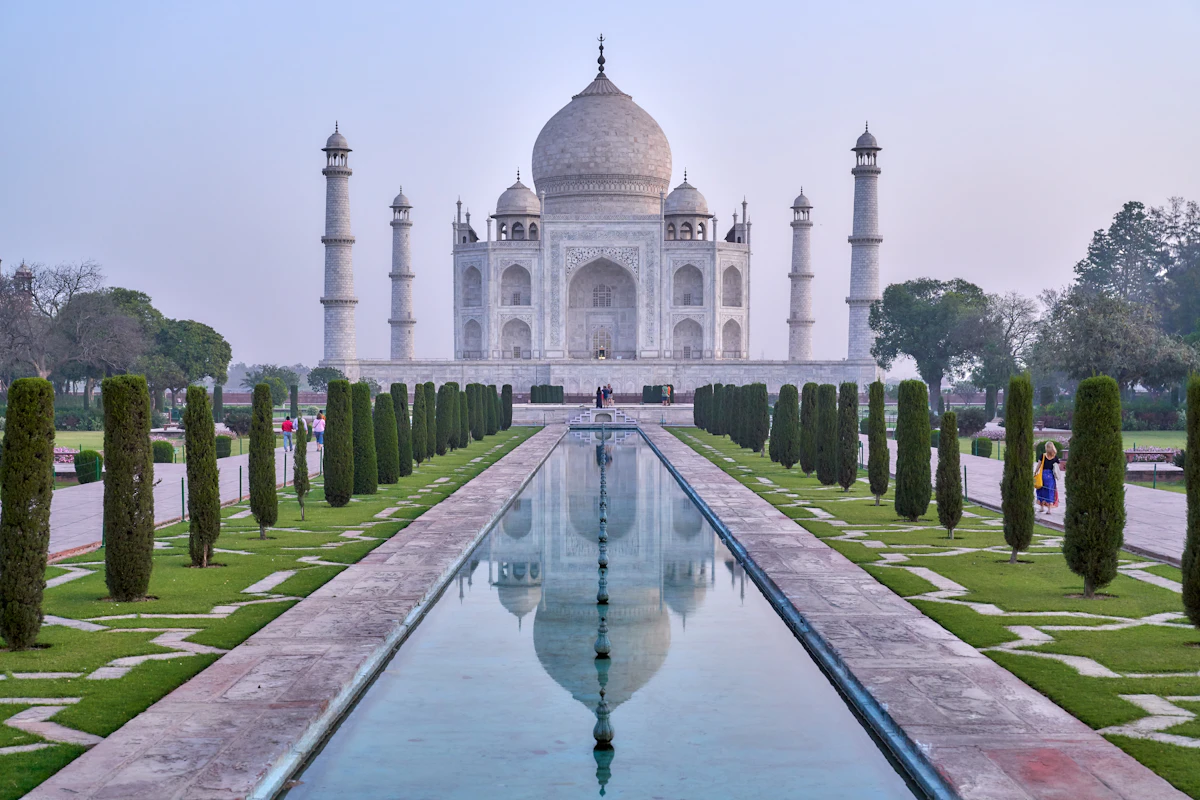
Understanding India's rich tapestry of culture requires more than just a visa. As you plan your trip and learn more about the visa process, consider exploring resources on Indian customs and etiquette. You can learn about the best times to visit famous landmarks like the Taj Mahal, explore regional cuisines, and even learn basic Hindi phrases to enhance your travel experience.
Navigating Common India Visa Application Challenges
While the Indian e-Visa system is designed to be user-friendly, applicants sometimes encounter issues. Common challenges include:
- Photo and Passport Specifications: Incorrectly sized or formatted photos are a frequent cause of application rejection. Ensure your photo meets the exact specifications outlined on the visa application center. The same applies to passport scans; ensure all information is clearly visible.
- Technical Glitches: The online hub may experience technical issues. If you encounter problems, try using a different browser or device. Clear your browser's cache and cookies, or try again later.
- Incomplete or Inaccurate Information: Ensure all fields on the application form are completed accurately and truthfully. Discrepancies between your application and passport details can lead to rejection.
- Payment Issues: Payment failures can occur due to various reasons, such as incorrect credit card details or insufficient funds. Double-check your payment information and try again. Contact your bank if the issue persists.
If you need further assistance, a visa service can help. Learn more and Apply now.
Beyond the Visa: Making the Most of Your Trip to India
Once your visa is secured, it's time to focus on planning the rest of your trip. India offers a vast array of experiences, from the snow-capped Himalayas to the tropical beaches of Goa. Consider the following:
- Accommodation: Book your accommodations in advance, especially during peak season. Choose from a range of options, from budget-friendly guesthouses to luxurious hotels.
- Transportation: India has an extensive transportation network, including trains, buses, and domestic flights. Trains are a popular way to travel long distances, but book your tickets well in advance.
- Food: Indian cuisine is incredibly diverse and flavorful. Be adventurous and try local specialties, but be mindful of food safety and hygiene.
- Cultural Sensitivity: Dress modestly, especially when visiting religious sites. Remove your shoes before entering temples and mosques. Avoid public displays of affection.
- Safety: Be aware of your surroundings and take precautions against theft and scams. Avoid walking alone at night in unfamiliar areas. Stay hydrated and protect yourself from the sun.
Apply for your Indian e-Visa through us with this link and get ready for your dream trip!
For Americans, securing an India visa opens the door to a world of rich cultural experiences. Whether you're planning a business trip to Bangalore or a spiritual retreat in Rishikesh, understanding the visa requirements ensures a smooth and stress-free journey. With this guide, you are well-equipped to navigate the application process and embark on an unforgettable adventure in India. For further information check the Indian embassy in Washington D.C. and the consulates in New York, San Francisco, Chicago, Atlanta, and Houston.
If you need assistance with your visa application, Apply for your India visa here.
Related Guide:
Read more about this hub →Don't Risk a Rejection or a Ruined Trip
One small mistake — a name that doesn't match your passport, the wrong occupation, a non-compliant photo, or the wrong visa category — can get your India e-Visa rejected or frozen in review for weeks. Government fees are non-refundable, a rejection can flag your passport for future applications, and most travelers only find out after they've paid and their flight is days away.
Our visa experts check every detail before submission, catch the errors that cause rejections, and back it with 24/7 human support — so you board your flight with total peace of mind.
Apply Safely With Expert Review →
Reviewed By
Falguni Patel
Former Indian Consular Officer, Toronto
"Former consular officer at the Indian mission in Toronto, Canada, with first-hand experience processing visa and travel-document applications. Now guides international travelers through the Indian e-Visa process."
View author profileFrequently Asked Questions
Do Americans need a visa for India?
Yes, US citizens need a visa to enter India for any purpose. The most common option is the India e-Visa (Electronic Travel Authorization), which is 100% online, requires no embassy visit, and is approved in 24-72 hours. It is available for tourism, business, medical treatment, and conferences.
How much is an India visa for US citizens?
Government fees for US citizens are $10 for a 30-day tourist visa if you arrive between April and June and $25 if you arrive between July and March (double entry either way), $40 for a 1-year tourist visa, $160 for a 5-year tourist visa, $140 for a business visa and $100 for a medical visa, plus a 3% bank charge. Government fees are non-refundable regardless of approval.
How long does it take to get an India visa from the USA?
Standard India e-Visa processing takes 24 to 72 hours for US citizens. Urgent processing can approve applications in 24 hours. We recommend applying at least 4 days before your departure date to allow buffer for any document corrections.
Can I get an India visa on arrival as an American?
No, US citizens cannot get an India visa on arrival at the airport. You must apply for and receive your India e-Visa BEFORE traveling. Print two copies of your approved e-Visa to present at Indian immigration on arrival.
Official Sources
- Government of India e-Visa portal: indianvisaonline.gov.in
- Bureau of Immigration, India: boi.gov.in
Apply eVisa India is a private visa-assistance service. We are not affiliated with the Indian government.