Solo Travel India: Safety, Visa & Essential Tips (Updated 2026)

Planning solo travel to India? This guide provides essential safety tips and a comprehensive visa guide for a smooth journey. Learn about visa requirements, safety precautions, and must-see destinations.
Planning a trip to India?
Start your e-Visa application today with our guided assistance.
Your Ultimate Solo Travel India Safety Tips Visa Guide
Embarking on a solo journey to India is an incredible adventure, filled with vibrant culture, breathtaking landscapes, and unforgettable experiences. However, ensuring your safety and having the correct visa are paramount. This article serves as your comprehensive solo travel India safety tips visa guide, providing you with the knowledge and confidence to explore this fascinating country independently. Please note that this is a PRIVATE resource designed to offer premium assistance, and is not affiliated with any reviewing body.
This private assistance hub offers a streamlined approach to understanding the visa requirements and safety precautions necessary for a smooth and enjoyable trip. We aim to empower you with the information you need to confidently navigate the visa application process and stay safe while exploring India's diverse landscapes. From the bustling streets of Mumbai to the serene backwaters of Kerala, this solo travel India safety tips visa guide will be your trusted companion. And if you find yourself dreaming of future European adventures after India, remember that cities like nice on the French Riviera also await, with their own unique visa considerations depending on your nationality.
Part 1: India Visa Essentials
Securing the correct visa is the first step in planning your solo trip to India. The most common visa for tourism purposes is the Indian e-Visa, which is convenient and can be applied for online. Let's explore the visa essentials:
Visa Type
For tourism, the e-Tourist Visa is typically the most suitable option. It allows for stays of up to 30 days, 1 year, or 5 years depending on the visa type selected and is valid for double or multiple entries depending on the selected duration. Luxury travelers, especially those from nice planning extended stays or multiple trips, may find the 5-year multi-entry visa particularly appealing. Ensure you understand the permitted stay duration and entry conditions before applying.
Step-by-Step Application Process
- Access the Application Interface: Visit a professional visa assistance hub providing access to the digital form.
- Complete the Digital Form: Fill out the application interface with accurate information, including your personal details, passport information, and travel plans.
- Upload Required Documents: Scan and upload the necessary documents, such as a passport copy, a recent photograph, and proof of onward travel.
- Pay the Visa Fee: Pay the visa fee securely online using a credit or debit card.
- Submit Your Application: Review your application carefully and submit it electronically.
- Receive Your e-Visa: If approved, you will receive your e-Visa via email. Print a copy and carry it with your passport.
Required Documents
- Passport with at least six months of validity
- Digital photograph meeting professional specifications
- Copy of your passport's bio page
- Confirmed onward travel ticket
- Proof of sufficient funds
Processing Time and Fees
The processing time for an Indian e-Visa typically ranges from 24-72 hours. However, it is advisable to apply at least four days before your intended date of travel to allow for any unforeseen delays. Fees vary depending on the visa type and duration, so check the professional visa assistance hub for the most up-to-date information. Some premium services may offer expedited processing for an additional fee. Travelers from nice should factor in potential currency exchange rates when budgeting for visa costs.
Part 2: Destination/Travel Guide
Now that your visa is sorted, let's dive into the exciting part – planning your itinerary! India offers a diverse range of destinations, from historical cities to tranquil beaches. Here’s what to expect:
Best Time to Visit
The best time to visit India depends on the region you plan to explore. For most of the country, the winter months (October to March) offer pleasant weather with clear skies and comfortable temperatures. However, if you're heading to the mountains, the summer months (April to June) are ideal. Keep in mind that some regions experience monsoon season from June to September.
Top Attractions and Experiences
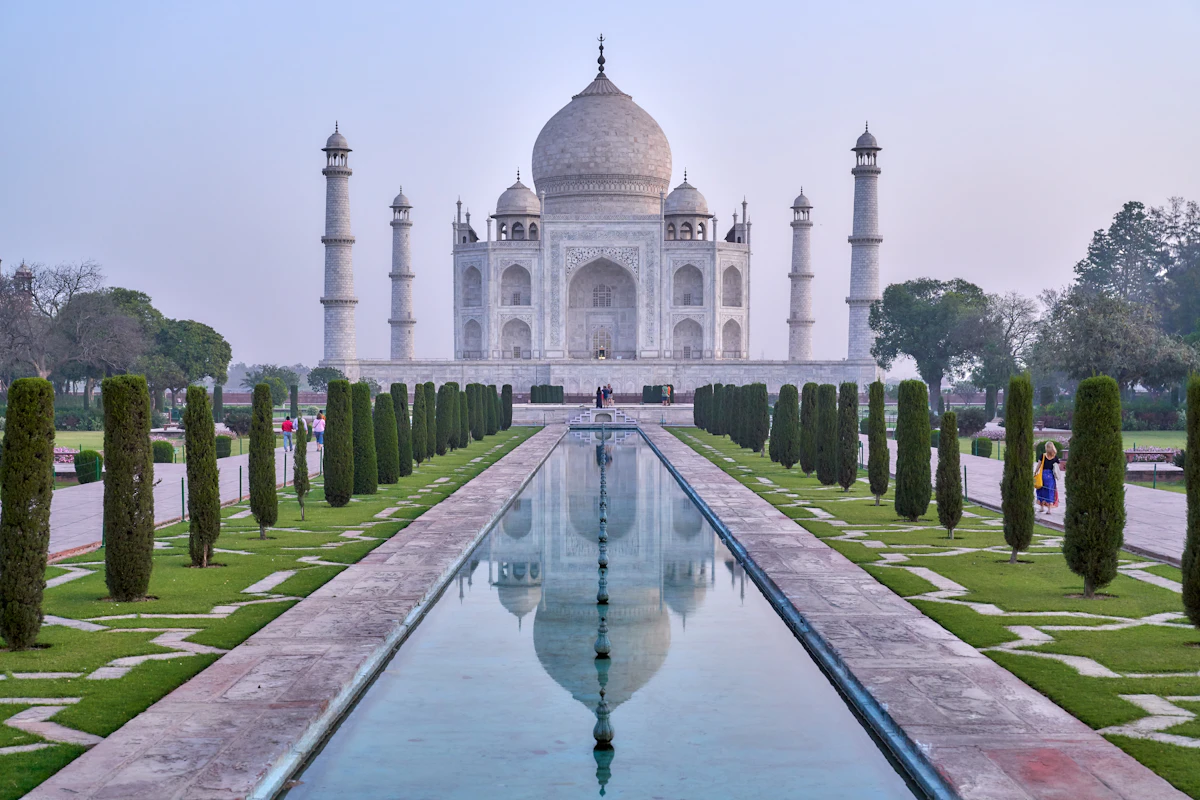
- Taj Mahal, Agra: Witness the breathtaking beauty of this iconic monument, a symbol of love and architectural marvel.
- Golden Temple, Amritsar: Experience the spiritual atmosphere of this sacred Sikh shrine, known for its golden dome and community kitchen.
- Kerala Backwaters: Cruise along the serene backwaters of Kerala on a houseboat, surrounded by lush greenery and tranquil villages.
- Hawa Mahal, Jaipur: Admire the intricate facade of this “Palace of Winds,” a stunning example of Rajput architecture.
- Varanasi: Visit the oldest living city in the world, witness the Ganga Aarti ceremony, and take a boat ride on the Ganges River.
Accommodation Recommendations
- Budget: Hostels and guesthouses are widely available throughout India, offering affordable accommodation for budget travelers. Look for options like Zostel or The Hosteller in major cities.
- Mid-Range: Boutique hotels and heritage properties offer a comfortable stay with modern amenities. Consider options like Neemrana Hotels or WelcomHeritage Hotels.
- Luxury: Indulge in a luxurious experience at one of India's many five-star hotels and resorts. The Oberoi, Taj, and ITC groups offer exceptional service and world-class facilities.
Local Transportation Tips
- Trains: India's railway network is extensive and affordable, connecting major cities and towns. Book your tickets in advance, especially during peak season.
- Buses: State-run and private buses are a convenient way to travel between cities and towns. However, be prepared for long journeys and crowded conditions.
- Taxis and Auto-rickshaws: Taxis and auto-rickshaws are readily available in urban areas. Negotiate the fare before you start your journey.
- Metro: Several cities, including Delhi, Mumbai, and Kolkata, have modern metro systems that offer a fast and efficient way to get around.
Food Recommendations
- Butter Chicken: Indulge in this creamy and flavorful chicken curry, a staple of North Indian cuisine.
- Masala Dosa: Savor this crispy rice crepe filled with spiced potatoes, a popular South Indian breakfast dish.
- Biryani: Enjoy this aromatic rice dish cooked with meat or vegetables, a flavorful and satisfying meal.
- Thali: Experience a complete Indian meal with a thali, a platter featuring a variety of dishes, including curries, vegetables, rice, and bread.
- Street Food: Explore India's vibrant street food scene and sample local delicacies like pani puri, vada pav, and chaat.
Cultural Tips and Etiquette
- Dress modestly: Dress conservatively, especially when visiting religious sites.
- Remove your shoes: Remove your shoes before entering temples, mosques, and some homes.
- Use your right hand: Use your right hand for eating and giving or receiving items.
- Bargain respectfully: Bargaining is common in markets and bazaars, but do so politely and respectfully.
- Be mindful of personal space: Be aware of personal space and avoid physical contact with strangers, especially members of the opposite sex.
Safety Tips Specific to India
- Stay Aware: Be mindful of your surroundings, especially in crowded areas and tourist hotspots. Keep your valuables secure and avoid displaying expensive jewelry or electronics.
- Trust Your Instincts: If a situation feels uncomfortable or unsafe, trust your gut and remove yourself from the situation.
- Avoid Traveling Alone at Night: It’s generally safer to avoid walking alone at night, especially in less-lit areas. Opt for taxis or ride-sharing services when traveling after dark.
- Use Reputable Transportation: When using taxis or auto-rickshaws, choose reputable companies or apps. Share your ride details with a friend or family member.
- Be Cautious with Food and Water: Drink bottled water and avoid ice in your drinks. Eat at reputable restaurants or food stalls to minimize the risk of food poisoning.
- Learn Basic Phrases: Knowing a few basic phrases in Hindi can be helpful in communicating with locals and navigating your way around.
- Stay Connected: Purchase a local SIM card to stay connected and have access to maps, translation apps, and emergency contacts.
- Share Your Itinerary: Let friends or family members know your travel plans and check in with them regularly.
Insider Tips That Only Experienced Travelers Know
- Embrace the Chaos: India can be overwhelming at times, but embrace the chaos and go with the flow. Don’t try to control everything, and be open to unexpected experiences.
- Learn to Say “No”: You’ll likely encounter persistent vendors and touts. Learn to say “no” firmly but politely, and don’t feel pressured to buy anything you don’t want.
- Carry Small Change: Keep small denominations of currency on hand for paying for transportation, street food, and tips.
- Be Prepared for Delays: Travel delays are common in India. Be patient and flexible, and have a backup plan in case things don’t go as expected.
- Pack Light: You’ll likely be moving around a lot, so pack light to make your travels easier.
Packing Checklist
- Passport and visa
- Travel insurance details
- Copies of important documents
- Comfortable clothing
- Modest clothing for religious sites
- Comfortable walking shoes
- Toiletries
- Medications
- Sunscreen and insect repellent
- Adapters
- Power bank
Budget Breakdown Per Day
Your daily budget for solo travel in India can vary depending on your travel style and preferences. Here’s a rough estimate:
- Budget traveler: $20-$30 per day
- Mid-range traveler: $50-$70 per day
- Luxury traveler: $100+ per day
This includes accommodation, food, transportation, and activities. Remember to factor in the cost of your visa, which, for example, could be a 5-year multi-entry visa preferred by luxury travelers from nice.
Quick Visa + Trip Summary
| Topic | Details |
|---|---|
| Visa Type | e-Tourist Visa (most common) |
| Processing Time | 24-72 hours (apply at least 4 days in advance) |
| Best Time to Visit | October to March (most regions) |
| Must-See Attractions | Taj Mahal, Golden Temple, Kerala Backwaters |
| Accommodation | Hostels, guesthouses, boutique hotels, luxury hotels |
| Safety Tip | Stay aware of your surroundings and trust your instincts |
Remember, planning a solo trip to India, even from neighborhoods like Vieux Nice (06000) requires careful preparation. This solo travel india safety tips visa guide should provide the tools you need. For further reading, consider our Complete Indian Visa Guide or perhaps an article on "Responsible Tourism in India". Don't forget to research areas such as the Promenade des Anglais (06000), Cimiez (06100), Le Port (06300) or Liberation if you're seeking alternatives to traditional tourist destinations.
Need Help?
Apply for India e-Visa — Expert Assistance
Our team reviews every application before submission.

About the Author
Visa Expert Team
Senior Immigration Consultant
"Specializing in complex visa cases with over a decade of experience in Indian travel regulations."
Frequently Asked Questions
Do I need a visa to visit India as a tourist?
Most nationalities require a visa to visit India. The India e-Tourist Visa is available online and allows stays of up to 30, 90, or 180 days depending on the type selected.
Can I extend my India e-Tourist Visa?
e-Tourist Visas are generally non-extendable and non-convertible. You must exit India before the visa expires and apply for a new one if you wish to return.